

Residents of Kisumu West Sub-County have benefited from free medical services, including genotype screening, following a joint medical outreach organised by the Commonwealth College of Medical and Related Studies, Tumaini Sickle Cell Organization (TSCO) and the Kisumu County Government.
The outreach aimed at improving access to healthcare while raising awareness about sickle cell disease and the importance of knowing one’s genotype to prevent the condition.
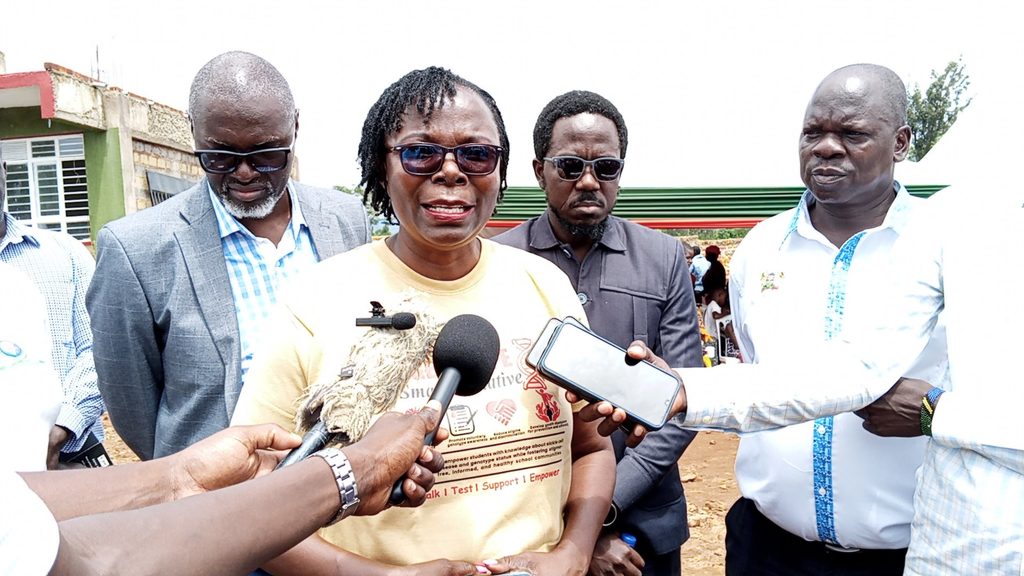
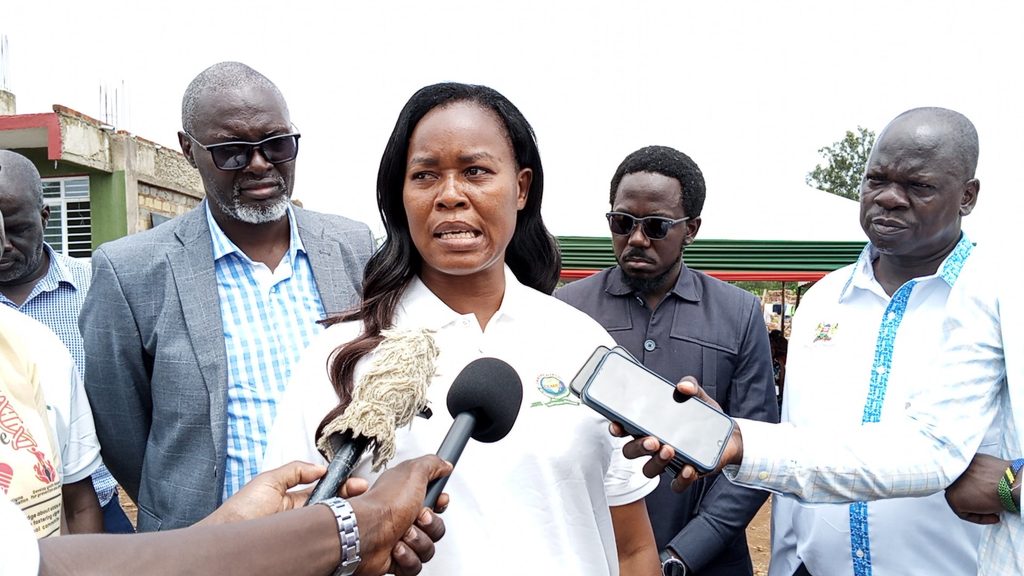
Speaking to the media during the exercise, TSCO Founder and Executive Director Veronica Bitta said preventing sickle cell disease begins with people understanding their genetic status, noting that free genotype screening was central to the initiative.
Bitta said the organisation is committed to improving the health, well-being and dignity of people living with sickle cell disease while strengthening community awareness and prevention efforts.
“Tumaini Sickle Cell is focused on improving the health, well-being and dignity of people affected by sickle cell disease. Today, we are offering prevention because preventing sickle cell disease can only happen if people know their genotype. That is why we are providing free genotype screening to the community,” said Bitta.
Meanwhile, Commonwealth College of Medical and Related Studies Chief Executive Officer Olivia Akoth said the institution considers education a powerful tool for transforming lives and creating meaningful social and economic impact.
Akoth said the college, which has been in existence for 10 years, has witnessed remarkable transformation among its graduates, with former students and their families benefiting from the skills and opportunities acquired through the institution.
She noted that the college’s impact extends beyond Kenya, revealing that several of its graduates are currently working in healthcare institutions abroad.
Akoth maintained that the institution remains committed to providing educational opportunities to students from diverse academic backgrounds, including those who scored a D grade in their Kenya Certificate of Secondary Education (KCSE) examinations.
She said the institution uses practical training to equip young people with marketable skills, enabling them to secure employment, improve their livelihoods and support their families.
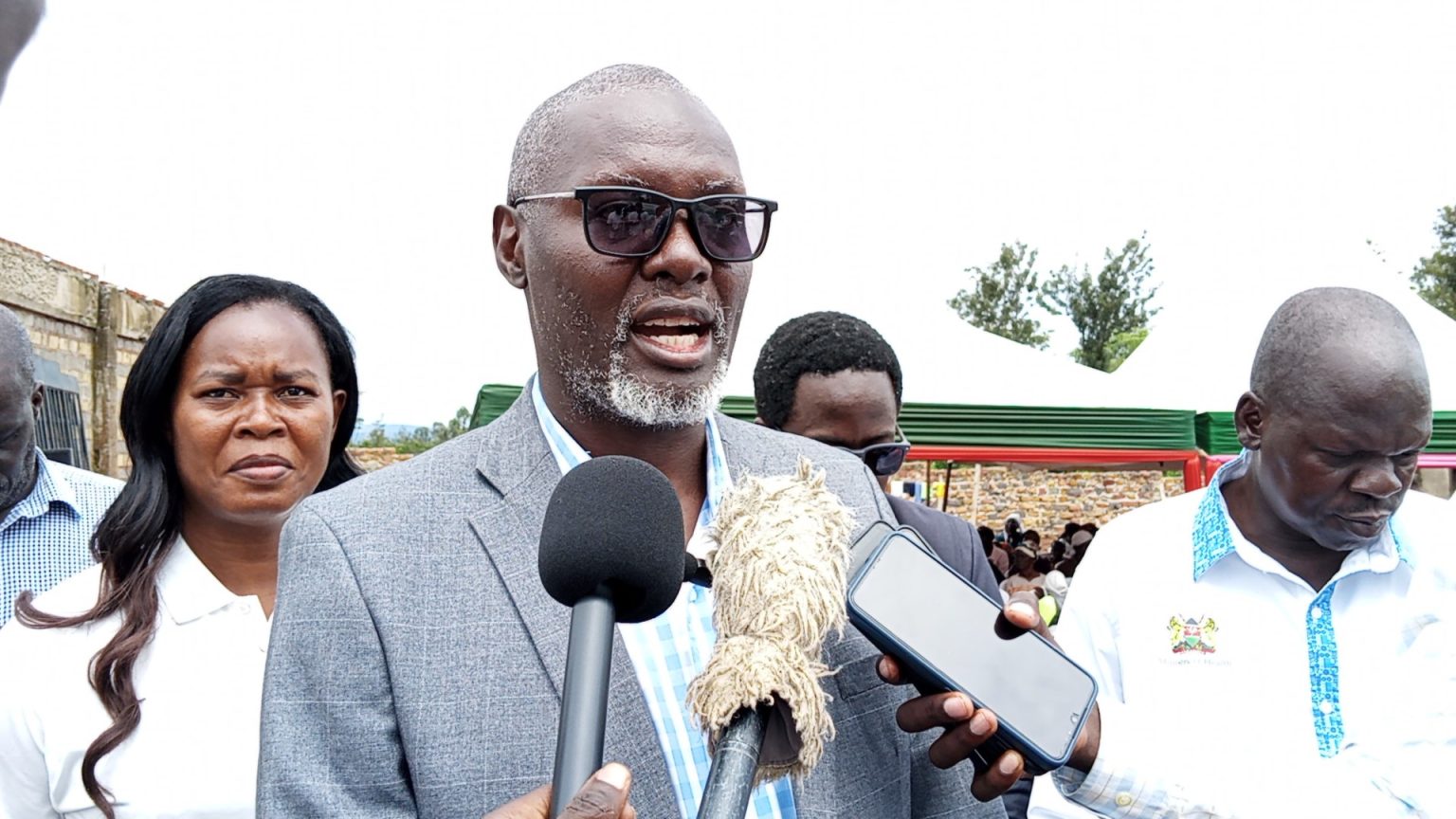
On his part, Kisumu County Executive Committee Member for Health Dr Gregory Ganda commended the college for producing skilled healthcare personnel who have continued to support service delivery in the health sector.
Ganda recalled that during his tenure as Director of Medical Services at Jaramogi Oginga Odinga Teaching and Referral Hospital (JOOTRH), he witnessed the exemplary performance of students and graduates from the institution, prompting the hospital to engage some of them to support nursing staff.
He said the college has trained various healthcare cadres, including counsellors, emergency medical technicians, theatre technologists and emergency dispatchers, whose contributions are essential to the effective functioning of healthcare facilities.
Ganda urged county governments to explore ways of absorbing the trained professionals into the public healthcare system, arguing that their services help bridge critical staffing gaps.
“What we used to call lay workers, counsellors, emergency medical technicians, theatre technologists and emergency dispatchers all add value to the health system. In the United States, these professionals play an important role in supporting healthcare delivery. When they are absent, there is always a gap,” Ganda said.
He further cited disruptions in HIV-related support programmes following funding cuts by the United States government, saying the development affected community-level interventions, including efforts to prevent mother-to-child HIV transmission.
According to Ganda, some county governments were forced to send home support personnel whose services had previously complemented those of permanent healthcare workers.
He called for a sustainable framework through which counties could integrate such professionals into the healthcare system, potentially through community-based health programmes, to strengthen service delivery and ensure continuity of essential services.