

Five sugarcane farmers have been elected to represent growers from the country’s five sugar catchment areas on the Kenya Sugar Board following an election that recorded a 43.9 per cent voter turnout.
The elections, held on Tuesday, November 24, 2026, saw growers exercise their democratic right to choose representatives who will champion their interests and strengthen their participation in the governance of the sugar industry.
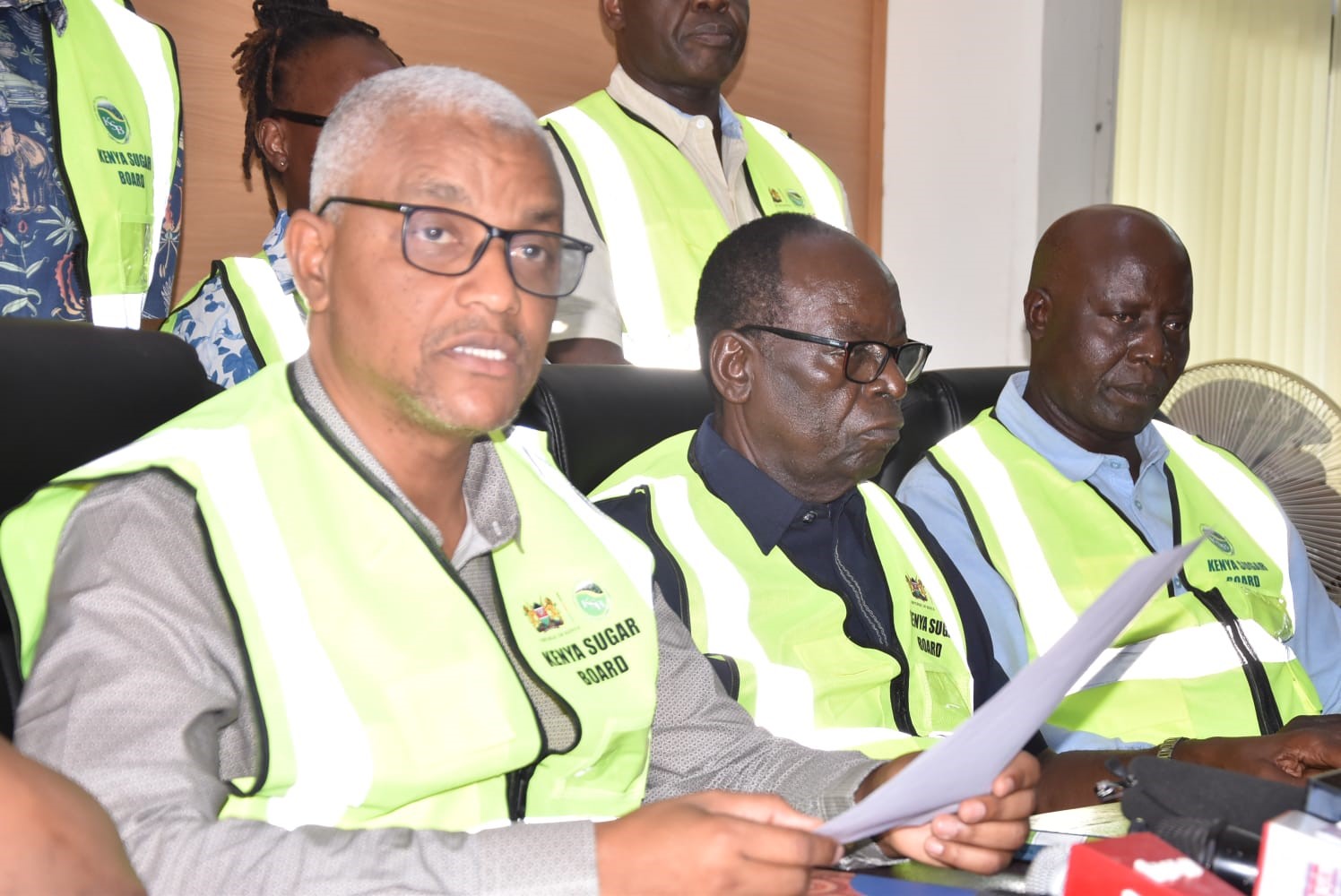
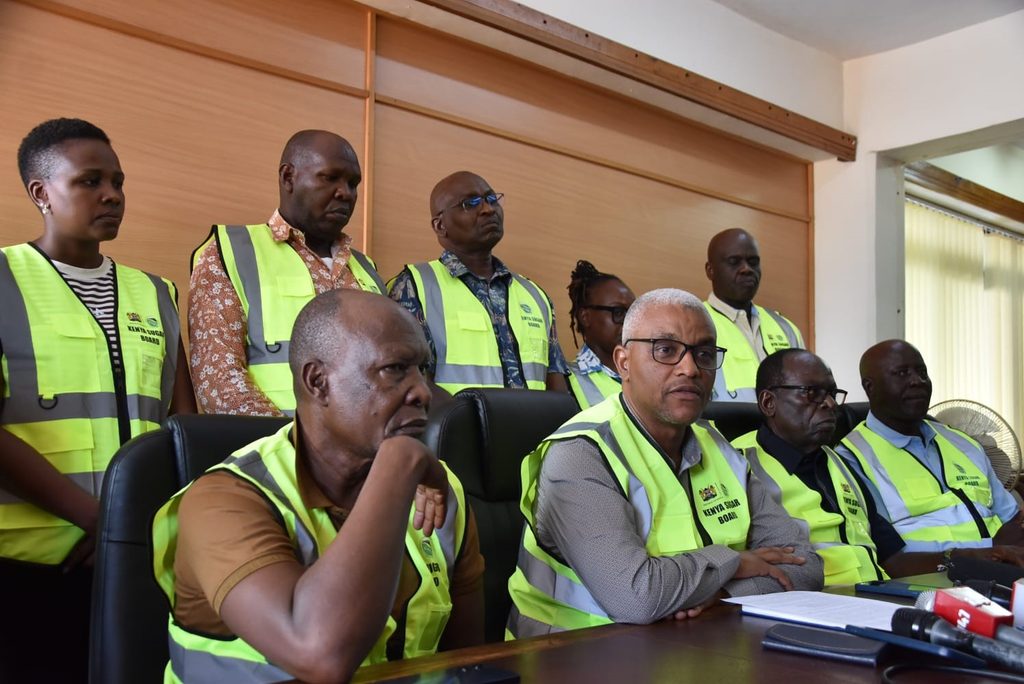
Speaking to the media in Kisumu on Wednesday, Elections Committee Chairperson Harun Khator announced Martin Ndunda Kimeu, Samuel Onyango Ong’ow, Peter Otieno Midodo, James Mutele Weindaba and Janet Barasa Ataro as the duly elected representatives.
The five will represent Coastal, Central, Southern, Upper Western and Lower Western catchment areas, respectively.
Khator said the electoral exercise was conducted in accordance with the provisions of the Sugar Act, No. 11 of 2024, which provides for the representation of sugarcane growers on the Kenya Sugar Board through democratically elected representatives.
“The elections were conducted successfully, and following the conclusion of voting, verification and tallying of results, I hereby announce the duly elected Grower Representatives,” said Khator.
He disclosed that a total of 108,372 eligible sugarcane growers had been registered and verified across the five catchment areas ahead of the exercise.
Eighteen candidates were cleared to contest the five available positions following an application, shortlisting and clearance process conducted by the Elections Committee.
Khator said the names of the successful candidates had been forwarded to the Cabinet Secretary for Agriculture and Livestock Development for gazettement as directors of the Kenya Sugar Board, where they will serve three-year terms.
The newly elected representatives are expected to play a critical role in advancing reforms aimed at reviving the country’s struggling sugar industry and safeguarding farmers’ interests.
Among the key priorities of the Board will be ensuring timely payment of farmers, expanding sugarcane acreage, increasing sugar production, improving productivity and promoting the long-term sustainability of the sector.
“The Board is expected to continue spearheading the implementation of the Sugar Act, driving reforms in the sugar sector and monitoring the performance of sugar mills, with particular emphasis on the timely payment of farmers and increased cane production,” Khator stated.
The elections mark a significant step in implementing the Sugar Act, 2024, which established a framework for strengthening governance and accountability in the sugar industry through increased participation of growers.
Khator congratulated the successful candidates and commended farmers, contestants, election officials, security agencies and other stakeholders for their cooperation in ensuring the smooth conduct of the exercise.